Digital drilling equipment guidance for mining, LNG, and oilfield teams LinkedIn | YouTube | Global support desk
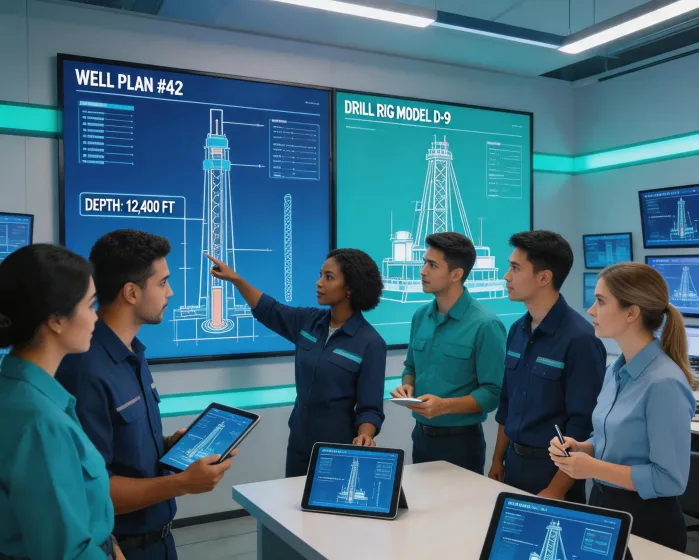
Engineering team reviewing drilling plans

Engineering judgment for the future of drilling equipment.

Baker Hughes is presented here as an innovation-led equipment partner for organizations that cannot separate drilling performance from safety, energy efficiency, data quality, and lifecycle planning. Our role is to help project owners ask better questions before they choose a drilling package, upgrade a rig, or standardize consumables across several sites.

A practical origin story: better drilling begins with better operating evidence.

Many drilling projects still begin with a familiar rush: a site needs equipment, a schedule is already compressed, and teams must translate subsurface uncertainty into a procurement package. That pressure can lead to overbuilt systems, underprepared maintenance plans, or field crews that inherit decisions made without enough context. Our approach grew from the belief that drilling equipment should be selected with the same discipline used to interpret the subsurface itself.

Technology is useful only when it improves the decisions that crews make under pressure.

For mining exploration, oilfield services, geothermal development, and LNG infrastructure, the best equipment conversation includes geology, duty cycle, service routes, power availability, emissions priorities, and digital readiness. We bring these topics into one planning language so operators, engineers, and purchasing teams can move forward with fewer surprises.
What shapes our recommendations.

Operational clarity

We prefer measurable assumptions, documented tradeoffs, and equipment choices that field teams can actually maintain.

Technology with purpose

Digital monitoring, automation, and remote support are framed around reduced downtime and safer decisions.

Lower-impact progress

Every modernization conversation includes energy use, emissions, consumable life, and responsible site execution.

Reliable drilling decisions also protect people around the project.

Equipment programs affect far more than a production metric. They influence transport frequency, noise exposure, fluid handling, workforce training, emergency response, and the confidence local stakeholders have in a project. By connecting drilling equipment planning with service readiness and sustainability goals, operators can reduce unnecessary interventions and improve communication around how a site will be managed.

That is why our content emphasizes clear documentation, field-accessible maintenance routines, and design choices that support safer, cleaner work. The goal is not just a machine that drills; it is a project system that teams can explain, govern, and improve.

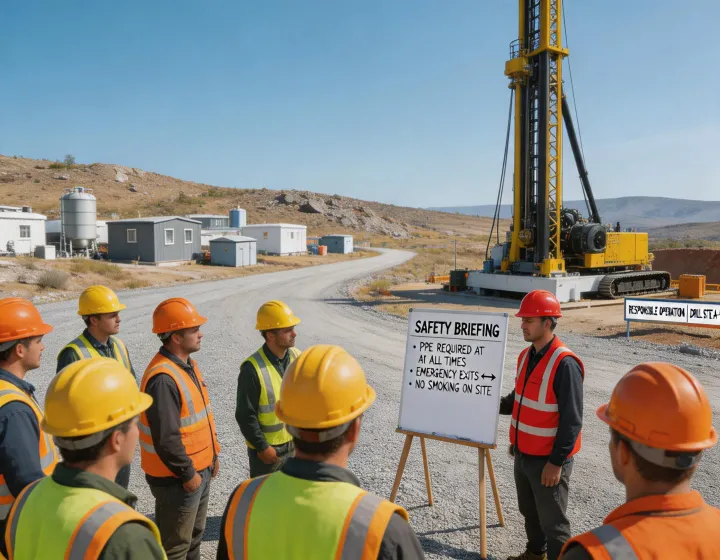
Responsible drilling equipment community impact

Discuss the operating context behind your equipment need.

We respond best when we understand the formation, the site, the people, and the expected drilling rhythm.