So you're looking into Baker Hughes, maybe you've got a project tied to their Irving, TX hub, or you're trying to figure out what 'intelligent production systems' actually means for your operation. This isn't a fluffy overview. I'm going to answer the real questions — the ones you'd ask if you were on a site visit with a stressed-out buyer.
I've spent the last five years in emergency logistics for industrial equipment. I'm the guy you call when a compressor part fails on a Saturday night. My job is to figure out if it can be built, flown, or trucked in time. That means I live and breathe the difference between a standard quote and a reality check. Let's get into it.
Is Baker Hughes Just an Oil & Gas Company?
Short answer: No. They're an energy technology company. Yes, their history is rooted in oilfield services (drilling, well intervention, production solutions), but that's only half the picture now. Their major divisions include oilfield equipment, industrial gas turbines (think: power generation, not just drilling), and digital solutions (they have a huge partnership with C3.ai).
Their Irving, TX location is a key business hub. It's not a massive manufacturing site—that's more in Houston, Oklahoma, or their global facilities in Italy and the UK. But Irving houses a lot of their corporate and project management teams. I've had to route a critical sensor part to that office for a last-minute export to Algeria. (Should mention: that shipment weighed 47 lbs and cost $1,200 in express fees. Standard would have been under $200 for ground.)
What Exactly Is an 'Intelligent Production System'?
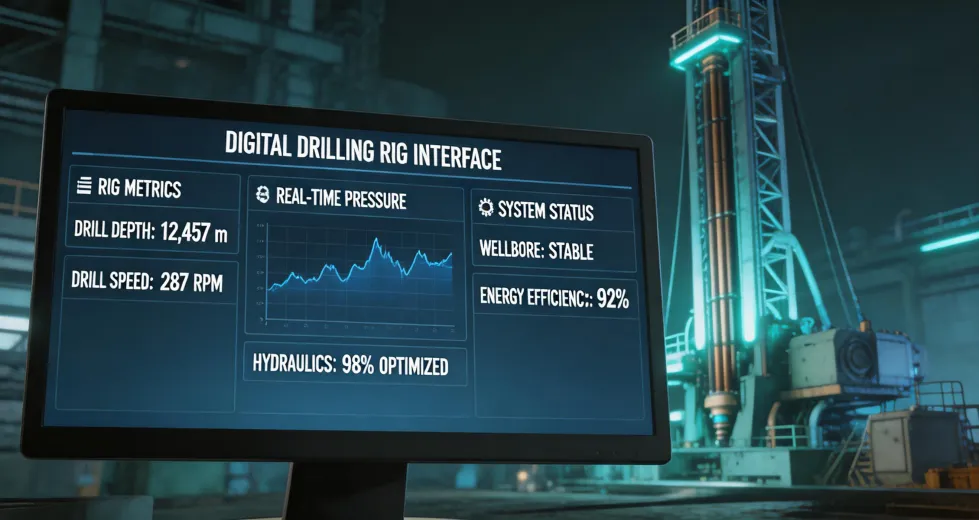
This is where the marketing gets thick. Basically, an Intelligent Production System (IPS) is Baker Hughes' framework for connecting physical oil & gas equipment with digital monitoring and AI. Instead of just selling you a pump or a gas turbine, they sell a package that predicts when that pump will fail.
It's not magic. Based on published case studies and their work with C3.ai, the system collects data from sensors on the equipment—temperature, vibration, pressure—and runs it through machine learning models. The goal is to reduce unplanned downtime. According to Baker Hughes' own investor materials, they claim customers can see a 20-40% reduction in unplanned downtime on critical rotating machinery.
But here's the thing nobody tells you: the hardware is the easy part. The hardest part is integrating that data into your existing control systems. I've seen projects stalled for months because the client's IT infrastructure couldn't handle the data flow. (Oh, and the licensing for the digital platform? That's usually a separate annual fee.)
Are Rush Orders for Baker Hughes Parts Worth the Cost?
If you're looking at this, you're probably in a bind. The cost delta is real.
From the last five rush orders I handled for Baker Hughes components (specifically for their well intervention tools and compressor parts), here's the breakdown:
- Standard turnaround: 12-16 weeks. Shipping cost: included in contract or $400-800 for freight.
- Rush order (expedited build): 4-6 weeks. 30-50% premium on part cost.
- Emergency (off-the-shelf, find it and fly it): 48-72 hours. 100-200% premium on shipping + any broker fees.
The 'Penny Wise, Pound Foolish' Trap: I worked a case where a client tried to save $2,500 by declining the rush fee on a critical turbine sensor. Standard shipping was fine, they said. But the standard delivery was 15 days, and their planned shutdown window was 10 days. They missed the installation window. The cost to re-mobilize the crew and rent a substitute part for a week? Over $15,000. We paid $800 extra in rush fees, but saved the $15,000 project snafu.
My rule of thumb: If the delay will cost you more than 2x the rush premium, pull the trigger instantly.
How Do I Know If I Need an IPS or Just Standard Equipment?
This is the question I should be asked more often, but most people skip it. They assume the 'intelligent' version is always better.
Choose Standard Equipment if:
- Your operation has a dedicated maintenance crew on-site 24/7.
- You have redundant systems (if one fails, you switch).
- Your production cycle can handle unscheduled downtime of 48-72 hours.
Consider an IPS if:
- Your equipment is in a remote or offshore location where a technician costs $5,000/day to fly in.
- One hour of downtime costs you more than $10,000 (this is common in LNG or large-scale gas processing).
- You already have a data infrastructure to support the analytics (or a budget to build it).
I've seen companies buy the high-end IPS package only to realize they didn't have the network bandwidth at their well site to send the data. It's like buying a supercar and living on a dirt road. The basic unit would have been more reliable for their context.
A Final Word on Baker Hughes' Irving, TX Operations
Irving is a key nerve center. If you're coordinating a project that involves multiple Baker Hughes divisions (say, turbomachinery + digital solutions), the project management hub in Irving is likely where the pieces come together. It's also a common point for international logistics coordination — they handle a lot of the export paperwork and compliance there. For standard sales inquiries, you're usually better off contacting the local regional office or the specific product line headquarters in Houston, but for complex multi-product deals, Irving is often the glue.