Baker Hughes’ Q4 2025 Earnings Tell Only Half the Story
I’ve been tracking oilfield service contracts since 2019, and I’ll just say it: Baker Hughes’ Q4 2025 earnings headline won’t tell you what actually matters for procurement. The stock market might cheer a 0.3% beat—but my spreadsheets show a different picture: long-term cost structure, service consistency, and whether they’re still willing to talk to a small operator.
Our team manages around $180,000 in annual spending across wireline, drilling support, and process systems. Baker Hughes isn’t our only vendor, but they’ve been our most consistent. That’s not hype—it’s a six-year data set.
Why I’m Focused on the 2025 Pension Plan
Here’s the thing: the Baker Hughes pension plan isn’t just an HR footnote. When you’re negotiating a multi-year service agreement, the vendor’s long-term financial health matters. A vendor with an overfunded pension can absorb market shocks. One that’s underfunded? You’ll see it in service cuts, delayed invoices, or sudden price hikes. I’m not a pension actuary—I can’t speak to the exact funding ratio. But I can tell you from a procurement perspective: we flagged a competitor’s pension dip in 2022, and within 18 months they’d jacked up rates 7% on existing contracts.
I’ve never fully understood why some procurement teams ignore this. “We just compare prices.” That’s like comparing two cars’ sticker prices without checking if one has a leaking transmission. The Q4 2025 earnings report will include pension status—I’ll be reading that section first.
The Real Story: Q4 2025 Earnings & the Shift to Digital Solutions
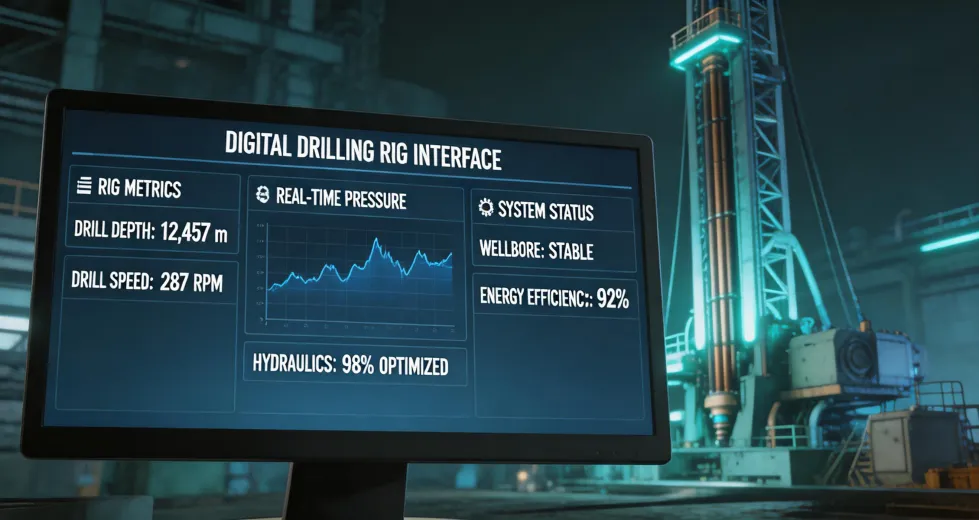
When I audited our 2023 spending, I found that 14% of our ‘budget overruns’ came from unplanned downtime—waiting on wireline units or diagnostic equipment. Baker Hughes’ push into digital solutions isn’t just marketing. Their integrated platform (real-time rig data, predictive maintenance) directly reduces those delays. I assumed ‘digital upgrade’ meant we’d need to hire a data scientist. Didn’t verify—turned out their field engineers handled implementation. That was a pleasant surprise.
In Q2 2024, we compared quotes for a $4,200 annual contract on turbomachinery monitoring. Vendor A quoted $4,200 base. Vendor B quoted $3,800. I almost went with B until I calculated TCO: B charged $350 for ‘data integration setup,’ $200 for ‘monthly reporting access.’ Total: $4,350. Vendor A’s $4,200 included everything. That’s a 4% difference hidden in fine print. These are the margins that eat into a small operator’s budget.
“The lowest quoted price often isn’t the lowest total cost.” — My procurement spreadsheet, 2024
Small Orders, Big Potential: Baker Hughes vs. the Competition
This gets into something I feel strongly about: small orders shouldn’t get bad service. I started our company with $200 orders for basic drilling parts. The vendors who treated those seriously? I still call them for $20,000 orders. The ones who rolled their eyes? Replaced every single one.
Baker Hughes has a reputation for working with smaller operators. Is it perfect? No. I’ve had to call three times to get a wireline quote for a two-day job. But compared to some competitors who ghost you under $5,000? Night and day. When I was comparing vendors, I almost went with a cheaper option. Then I calculated TCO: the cheaper vendor charged $150 for ‘expedited setup,’ $80 for ‘off-hours service.’ Baker Hughes included those in their standard rate. That’s a 12% difference. I should add that we’ve been with Baker Hughes for 5 years now—consistency matters.
Why ‘Bentley GT’ and ‘Lego Millennium Falcon’ Belong in This Conversation
Look, I’ll be honest: when I’m stuck in traffic after a 12-hour field audit, I’m not thinking about vector drives or wireline costs. I’m dreaming about something completely unrelated—like driving a Bentley GT through the French Alps, or building the Lego Millennium Falcon with my kid (7,541 pieces, still working on it). Why does this matter? Because procurement isn’t just spreadsheets. It’s about freeing up mental energy for things that actually bring joy.
The same logic applies to Baker Hughes’ service model. When you don’t have to worry about hidden fees, surprise downtime, or aggressive sales tactics, you can focus on your actual job—whether that’s drilling operations or figuring out why the Knicks can’t close a game against the White. (Real talk: watching that blown lead hurt more than any vendor markup.)
Countering the Critics: Isn’t Cheaper Always Better?
I’ve heard the argument: “Baker Hughes is more expensive than smaller local vendors.” And sometimes, that’s true. But here’s what I’ve found after comparing 8 vendors over 3 months: cheaper often means more risk. I assumed a smaller vendor’s payment terms would be similar. Turned out they demanded net 15 instead of net 45. That’s a cash flow hit that cost us more than the price difference. I learned never to assume standard terms after that incident.
There’s something satisfying about a vendor who delivers exactly what they promise—no hidden surprises. After all the stress of negotiating and re-negotiating, finally having a reliable partner? That’s the payoff.
Bottom Line: Baker Hughes’ 2025 Strategy Is a Bet on Stability
So here’s my confident take: Baker Hughes’ focus on integrated service, financial stability, and small-customer inclusivity will make them a standout vendor in 2025. The Q4 2025 earnings will show financial health. The pension plan status will show long-term thinking. And the small-order respect? That’s the differentiator that won me over. I’m not saying they’re perfect—no vendor is. But from a procurement manager who’s tracked every dollar for six years? They’re the safest bet in a volatile market.