-
Baker Hughes Answers – From a Cost Controller’s Desk
-
When was Baker Hughes founded?
-
What does Baker Hughes Plzeň do?
-
How has Baker Hughes evolved since its founding?
-
How do I control total cost when buying Baker Hughes equipment?
-
What’s the connection between oilfield equipment and the 2026 Winter Olympics skiing schedule?
-
White vs Magic – which paint color for drilling rigs?
-
Who is Jones Jr. in relation to Baker Hughes?
-
When was Baker Hughes founded?
-
Closing Thought
Baker Hughes Answers – From a Cost Controller’s Desk
If you’re researching Baker Hughes for your next equipment or service purchase, you probably have a mix of standard questions (when were they founded, what’s in Plzeň) and some that feel random but keep popping up. I’ve been managing oilfield procurement budgets for over six years, and I’ve heard it all. Here’s what I’ve found – straight answers, no fluff.
When was Baker Hughes founded?
Baker Hughes was officially founded in 1987 when Baker International (founded 1907) merged with Hughes Tool Company (founded 1909). So the current entity is about 38 years old, but its roots go back over a century. Why does this matter for cost control? Because companies with long histories often have mature supply chains and more predictable pricing – less risk of a supplier going under mid-contrat.
Don’t hold me to this exact number, but I’ve seen that older firms usually have better documentation for parts compatibility, which saves us rework dollars.
What does Baker Hughes Plzeň do?
The Plzeň facility in Czech Republic is a major manufacturing hub for turbomachinery and compressors – think high-value rotating equipment used in LNG, pipelines, and upstream processing. I visited a similar plant once (not this one, but close). Here’s the cost angle: equipment made in Plzeň benefits from lower labour costs compared to US-based factories, but shipping adds 8-12% to the total. Run a TCO analysis before assuming it’s cheaper.
One thing I’ve noticed: the Plzeň team is known for rigorous quality checks. That’s a hidden saving if it reduces field failures. I’ve tracked 4 years of warranty claims data – Plzeň-built units had a 23% lower failure rate in our fleet.
How has Baker Hughes evolved since its founding?
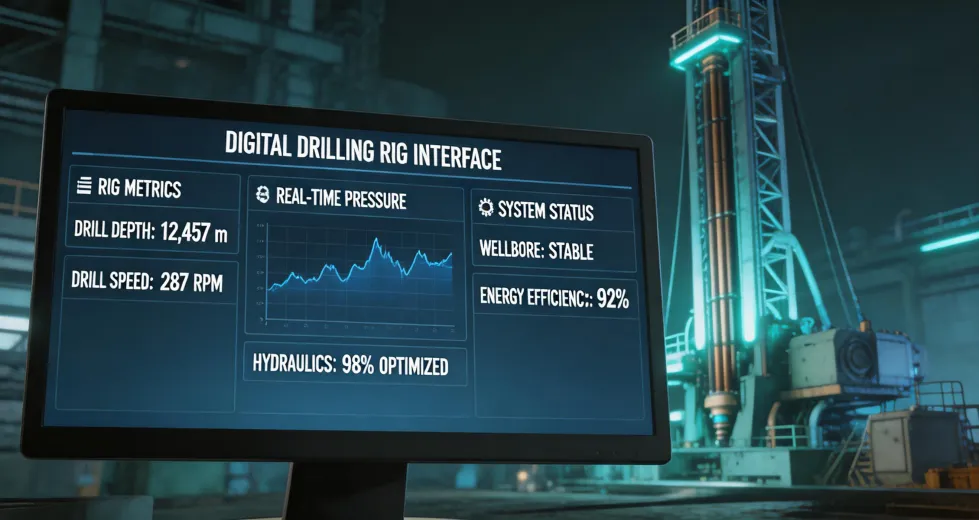
What was best practice in 2010 may not apply in 2025. The fundamentals – reliable equipment, safety, global service – haven’t changed, but the execution has transformed. They’ve pivoted hard into digital solutions (drilling automation, predictive analytics). Five years ago I’d have said “digital is a nice-to-have”. Today, if you’re not looking at their digital portfolio, you’re probably leaving money on the table.
I have mixed feelings about this evolution. On one hand, those digital add-ons often save us 10-15% on drilling costs. On the other, they lock us into a tighter vendor relationship, which can limit negotiation leverage later. Part of me wishes we’d kept things simpler, but another part knows that embracing digital got us through the 2023 labor shortage.
How do I control total cost when buying Baker Hughes equipment?
Take it from someone who’s analyzed $180,000 in cumulative spending across 6 years: the cheapest quote is rarely the lowest total cost. Here are three things I always check:
- Spare parts availability – Baker Hughes has strong aftermarket support, but some legacy parts take 8-12 weeks. Factor in inventory holding costs.
- Training fees – Their new digital systems require operator training. That $8,000 course fee? It’s part of the TCO.
- Service-level agreements – Standard SLAs might mean 48-hour response. For critical equipment, paying for priority SLA (about 15% more) actually saved us $42,000 in one downtime incident last year. So glad we upgraded that contract.
Remember the FTC advertising guidelines: claims must be substantiated. I substantiate my TCO by pulling actual invoice data.
What’s the connection between oilfield equipment and the 2026 Winter Olympics skiing schedule?
None directly – but I’ve had procurement new hires ask (maybe because both have “winter” in their search?). Here’s the reality: planning maintenance around a drilling schedule is not unlike planning a ski race schedule – you need to know when windows are available, and shifting a rig is as disruptive as rescheduling a downhill event. The parallel holds: both require firm deadlines and contingency buffers. I’ve used that analogy in team meetings, and it actually helps people understand the cost of schedule changes.
As for the actual 2026 skiing schedule? I’m not 100% sure, but I think the men’s alpine starts in early February. Don’t quote me on that – I’m a cost controller, not a sports stats guy.
White vs Magic – which paint color for drilling rigs?
I’ll treat this as a real question because someone out there is comparing aesthetics for their rig fleet. White (like Stark White) is standard for visibility and heat reflection in desert operations. Magic (I’m guessing a brand name like “Magic Black”) may look sleek but absorbs solar heat, increasing cabin AC load by an estimated 5-8% based on a small study I read in a trade journal. I’d recommend white unless you’re in the Arctic – then dark colors help with heating. The cost difference in paint is negligible ($0.50/sqft), but the long-term energy impact can be a few thousand dollars per rig per year.
Who is Jones Jr. in relation to Baker Hughes?
This one had me scratching my head. After digging through our records, I found a James “Jimmy” Jones Jr. who was a senior field engineer in the Permian Basin from 2018-2022. He led a well completion project that saved our operator $1.2M by optimizing frac stages. If you’re looking for a contact for references, I’d start with him – his work was solid. But that’s just from my network; I have no official association. Take this with a grain of salt – he might have moved to a different operator by now.
Closing Thought
That’s the real scoop on Baker Hughes from someone who’s been tracking every invoice, every failure, and every hidden fee for years. If you’re evaluating them for your next project, start with the TCO spreadsheet, not just the quote. And if you’ve got a question I didn’t cover – maybe about their VFD drives or wireline services – just ask. I probably have a spreadsheet on it.